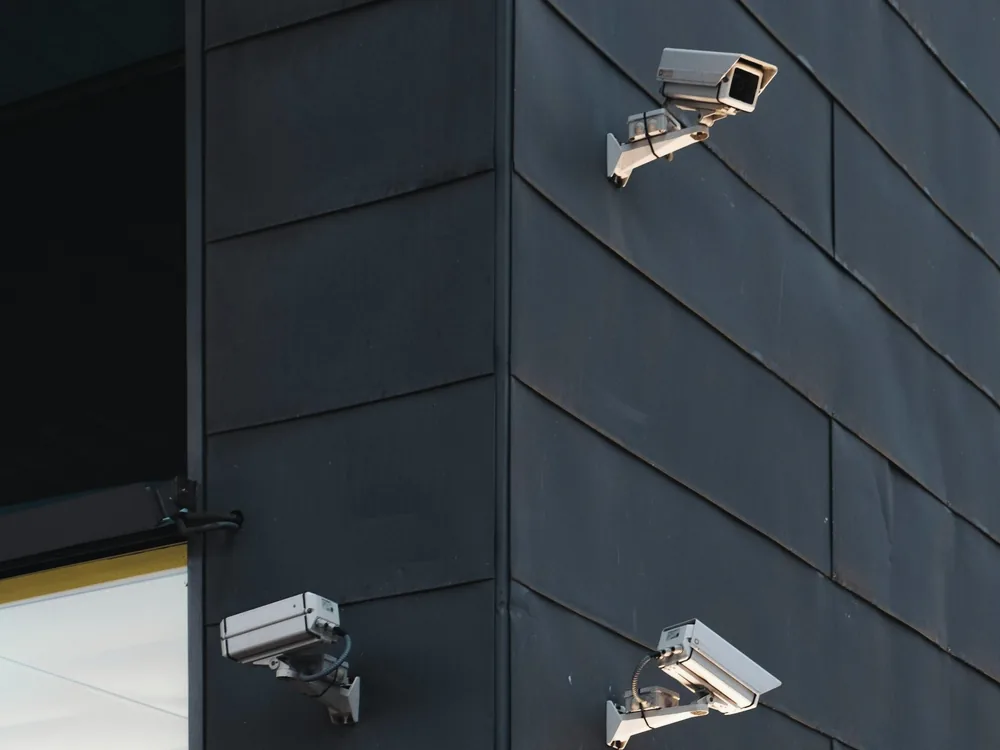
If you picture business CCTV as a few blurry cameras recording grainy footage to a dusty DVR, it is time for an update. The technology has changed a lot in the past five years, and what Australian businesses can buy at a sensible price is genuinely impressive.
What modern business CCTV can do
- 4K and beyond. Modern IP cameras capture crystal-clear 4K footage — enough to read a number plate from 30 metres, or identify a face from across a car park. The days of "we could sort of see someone" are over.
- AI analytics on the camera. This is where 2025 CCTV really separates from what came before. Cameras can run AI models onboard that pick up specific events: a person entering a restricted zone, a vehicle stopping in a no-parking area, a crowd gathering unusually, or a package left unattended. You can set automatic alerts, so you hear about it straight away — not hours later when someone reviews the footage.
- Facial and licence plate recognition. Enterprise systems can flag known individuals — such as banned customers, or known offenders shared by neighbouring businesses — or log vehicles in and out of your car park automatically.
- Remote monitoring. Modern systems let you view any camera from your phone or laptop, anywhere in the world. Check in on the business whenever you like, or give a security monitoring company remote access.
Cloud storage or on-site recording?
An on-site NVR (network video recorder) gives you local storage with no ongoing cloud fees, and it keeps recording even if the internet drops out. Cloud-based systems are easier to reach remotely and there is no hardware to maintain. Most good business installations use a bit of both.
Worth knowing for Australian businesses
Cloud storage needs reliable, high-bandwidth internet. For high-resolution cameras across multiple sites, on-site NVR storage with cloud backup is usually the most practical approach — local reliability plus off-site redundancy.
Privacy and the law in Australia
Businesses running CCTV in Australia have legal obligations under the Privacy Act 1988 and various state-level regulations. The key requirements:
- Display clear signage telling people they are being recorded
- Do not put cameras where people have a reasonable expectation of privacy, such as bathrooms and change rooms
- Store footage securely and limit who can get to it
- Have a clear retention and deletion policy
A professional installer designs compliance in from the start. Retrofitting a system that does not comply is expensive and time-consuming.
What to expect from the install
A professional CCTV installation starts with a site survey — walking your premises to work out coverage, cable routes and equipment locations. That produces a design document showing exactly where each camera goes and what it covers, before any work begins.
Installation usually takes one to three days for a small or medium business. Cabling is concealed where possible, equipment is installed neatly, and your team is trained on the system before handover.