Monitoring runs 24/7 · support Mon–Fri 8–6, after-hours on call

OZITGRAND

Use cases

Four jobs, start to finish

These are real situations we have been called into, with the client details removed. The businesses are described by type and size rather than by name, so you can see the problem and the fix without anyone being identified.

How we handle client details: names, trading names, suburbs, addresses and logos are removed from every scenario on this page. We only name a client, or show their logo, with their written consent.
Busy cafe interior with customers waiting at the counter.
Illustrative photograph of a cafe interior. Not a photograph of the client described here.

Hospitality

A multi-venue cafe and restaurant group

Four trading sites, each one set up by a different contractor over several years.

The situation

The group was losing sales at the worst possible moment. At the Saturday and Sunday peak, the point of sale would freeze, eftpos would time out and the online bookings screen would stop refreshing — then everything would come good an hour later, so nobody could ever prove what had gone wrong. The real problem was underneath: every venue had been built differently. One site had the modem under the counter with the Wi-Fi shared between staff iPads, guest phones and the payment terminals all on the same network. Another had a mesh of consumer access points daisy-chained through a power board in the kitchen. There was no documentation, no spare gear, and three different suppliers who each said the fault belonged to one of the others. The owners were paying for support at every site and still had to walk into a venue to reboot things by hand.

What we put in
  • One standard build per venue — same firewall, same switch, same access points, same labels, so any venue can be worked on by anyone on our team.
  • Guest Wi-Fi, staff devices and payment terminals split onto separate networks, so a customer streaming video can no longer slow down a card payment.
  • Backup internet at each site that takes over automatically when the fixed line drops, so the tills and bookings keep working.
  • Monitoring on every venue so we see a line or a device drop out and start on it before the venue manager picks up the phone.
  • One number to call for all four venues, with a written site pack per venue — what is installed, where it is, and what it plugs into.
The result

Peak-hour payment and booking dropouts stopped being a weekly event. Venue managers now ring one number instead of arguing with three suppliers, and a new site can be built to the same standard instead of being invented from scratch.

Two colleagues at an office desk going through printed documents together.
Illustrative photograph of an office workplace. Not a photograph of the client described here.

Professional services

An accounting firm of about 40 staff

One office, client money moving every day, and a near miss that got everyone's attention.

The situation

A staff member received an email that looked exactly like a supplier invoice, from an address one letter different to the real one, quoting the right job and the right amount with new bank details. It was caught at the last step by an accounts clerk who happened to recognise the old BSB. That started the conversation. When we looked at their Microsoft 365, nobody could answer basic questions: how many staff had two-factor turned on, who still had a working login after leaving, whether the backups had ever been restored, or whether anyone had logged in from overseas. Two-factor was optional and most people had skipped it. There were old accounts for staff who had left more than a year earlier, several shared logins with the password written on a sticky note, and no email filtering beyond the defaults. The partners were not being careless — they simply had no way to see how exposed they were.

What we put in
  • Two-factor authentication on every single login, staff and partners, with the old "optional" setting removed so it cannot be skipped.
  • Every old and shared account found, listed and closed off, and a written process so a leaver's access ends on their last day.
  • Phishing and attachment filtering in front of their email, plus the domain records set up properly so others cannot send mail as them.
  • Backups of email and files that we actually test by restoring a sample, instead of trusting a green tick on a screen.
  • A security score reported to the partners every month in plain English — what moved, what is still open, and what it costs to close.
The result

The partners can now answer the question "how exposed are we?" with a document instead of a guess. Fake invoice emails get stopped before a staff member has to make a judgement call, and the monthly score gives them something to show clients and their insurer.

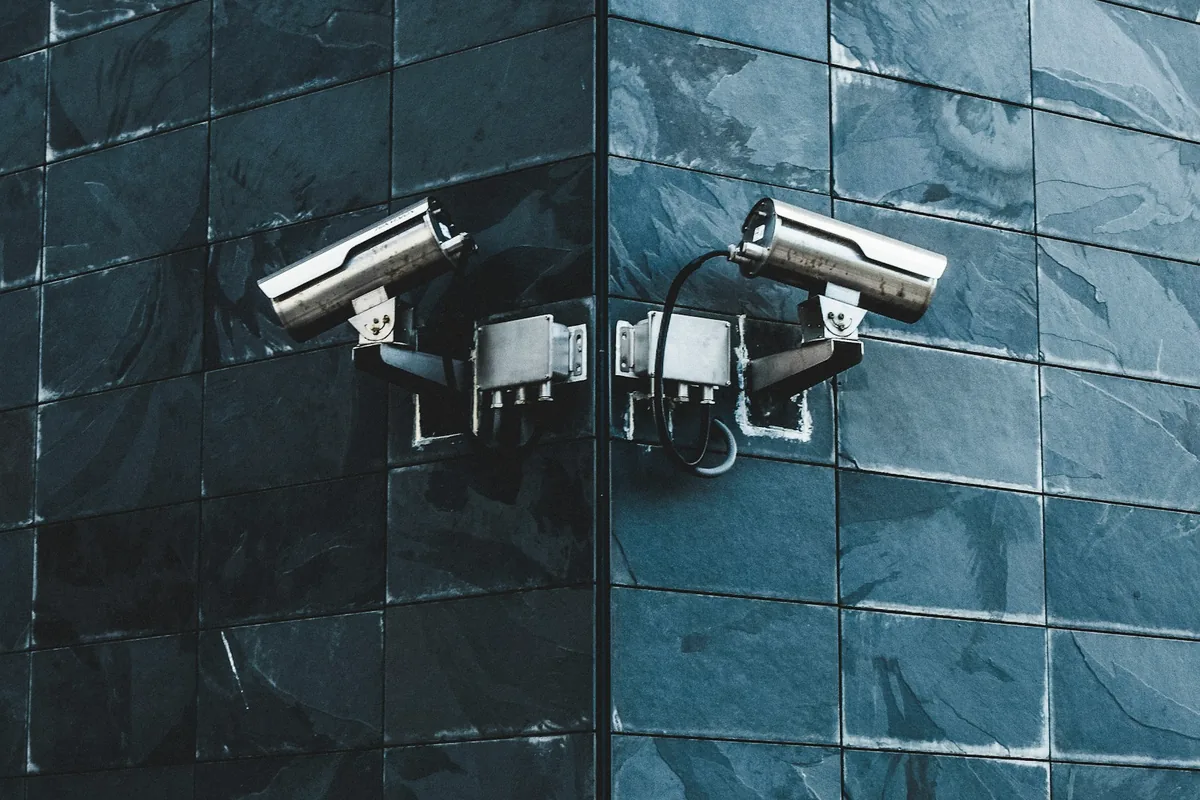
Close-up of an IP security camera mounted under the eave of a building.
Illustrative photograph of a security camera. Not a photograph of the client described here.

Property & strata

A multi-storey apartment building

An owners committee, a building manager, and gear installed in three separate stages by different trades.

The situation

Residents were complaining about the front intercom. Some units could hear a visitor but not open the door, some rang out entirely, and the newer apartments on the upper floors had never been connected properly at all. The cameras were worse. There were plenty of them, but the night footage was a grey smear — when a car was broken into in the basement, the committee had vision of the event and still could not make out anything useful. Recording was set to keep far less footage than the committee believed, so by the time an incident was reported the vision had already been overwritten. Fobs were managed in a spreadsheet by a previous building manager, with no record of how many were issued or to whom, and lost fobs were never cancelled. Four different contractors held pieces of the system, and each one would only touch their own part.

What we put in
  • Intercom brought through to every unit in the building, tested door by door with the building manager and signed off floor by floor.
  • Cameras chosen and aimed for the actual lighting at the entries, lifts, basement and bin room, so faces and plates are readable after dark.
  • Recording sized to the retention period the committee agreed in writing, so footage is still there when an incident is reported late.
  • Fob management the building manager can run himself — issue, name, cancel — with a current list of every fob and which door it opens.
  • One accountable team across intercom, cameras, access and the network behind them, instead of four contractors pointing at each other.
The result

The committee can now pull clear, usable footage of an incident and cancel a lost fob the same day. Intercom complaints dropped away, and there is one supplier answering for the whole system at the AGM.

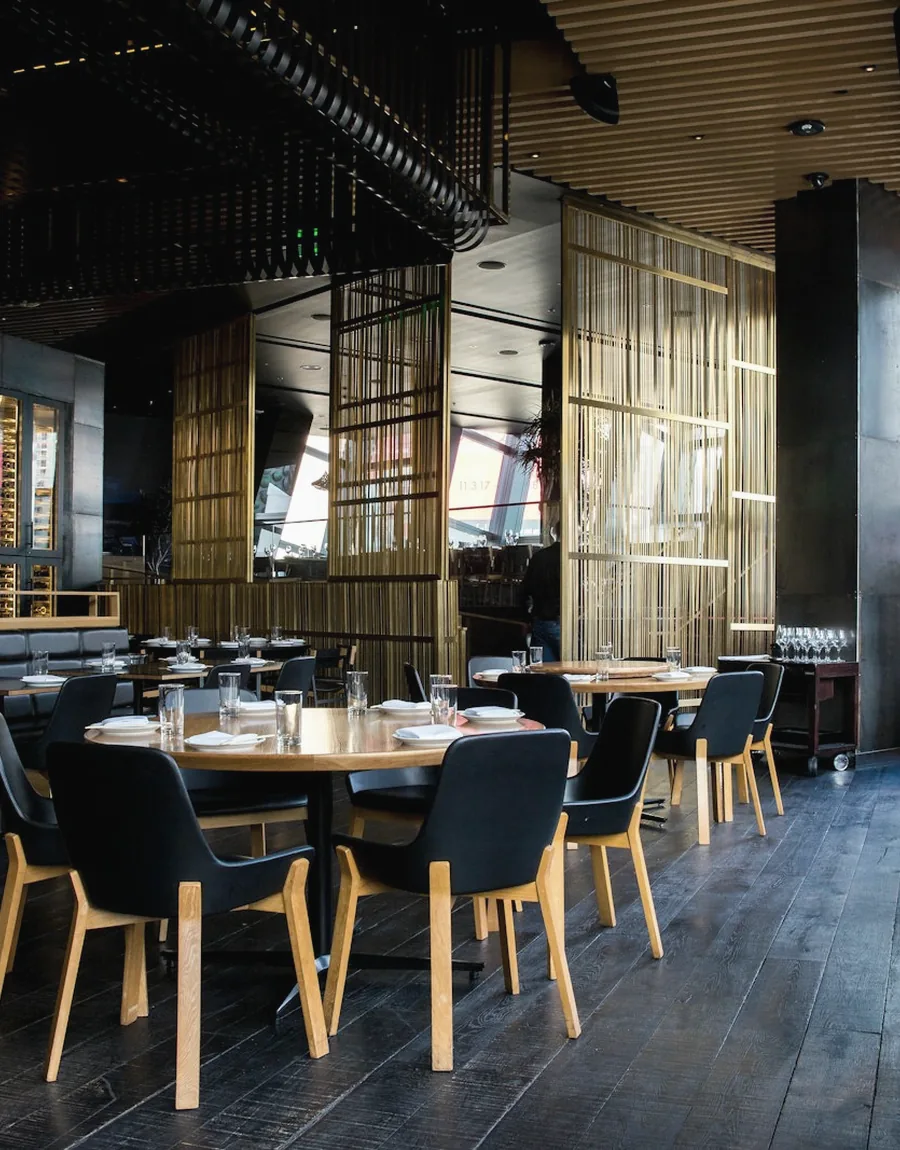
Open interior space with tables and warm lighting in a multi-site venue.
Illustrative photograph of a venue interior. Not a photograph of the client described here.

Fitness

A multi-site gym group

Several clubs open long hours, most of them unstaffed overnight, and more sites on the way.

The situation

Every new club was turning into its own project. The owner would sign a lease, then spend weeks chasing a cabler, an internet connection, a door controller and whoever had set up the last site, hoping it all landed before opening day. Once open, the sites were unreliable in the way that hurts most: member check-in at the front desk would stop talking to the membership system, and the door access that lets members in at five in the morning would drop out with nobody on site to fix it. Members would arrive, tap a card at a dead reader and go home. The owner usually found out from an angry message on social media rather than from any system. There was no single place to look at all the clubs, so nobody knew whether a site was down until someone complained.

What we put in
  • One repeatable site build — a written equipment list, cabling plan and network layout that gets used at every new club.
  • Member check-in and door access on their own protected network, on backed-up power, so a hiccup elsewhere in the club cannot lock members out.
  • Backup internet at each club so 24/7 member entry and payments keep working when the fixed line goes out.
  • Monitoring across every site, so a dead reader or a dropped connection raises an alert with us automatically, day or night.
  • One view of all the clubs for the owner, plus one number for his club managers to call instead of a different trade per site.
The result

The owner stopped hearing about outages from members first. Overnight member access became dependable, faults are picked up by monitoring rather than by complaints, and opening a new club is now a repeat of a known build instead of a fresh headache.

Different business, same approach

The industry changes. The method doesn't.

A cafe group, an accounting firm, an apartment building and a gym chain have very little in common — but the way the work gets done is the same every time.

How we work

  • We walk the site first and write down what is actually there, rather than quoting off a phone call.
  • You get one written plan with a fixed price, split into what needs doing now and what can wait.
  • We build every site the same way, label it, and leave the documentation with you.
  • Monitoring runs 24/7 afterwards, so faults reach us automatically instead of reaching your customers.
  • One accountable team for IT, networks, cameras and phones — so there is nobody else to blame.

Get in touch

Tell us what's going on

Whether it's a whole site to set up or one thing that keeps dropping out, start with a call or the form. No charge for the first conversation.

(02) 4074 1111

Call us — we reply the same business day.

help@ozitgrand.com.au
Support hours
Mon–Fri 8–6, after-hours on call
Monitoring
Runs 24/7 (automated)
Where we work
Sydney · Australia-wide
A small group of people talking around a table in a bright office.

Request a site visit

Prefer to talk? Call (02) 4074 1111. We only use your details to answer your enquiry.